
Operating System
Data breaches cost companies billions annually, but most attacks originate from internal vulnerabilities. These 10 zero-trust safeguards help executives fortify their organizations against insider threats, cyberattacks, and accidental data leaks—without relying solely on external defenses.
Multi-Factor Authentication for All Access Points

Passwords alone are the weakest link in your cybersecurity chain—especially for executives and IT admins. Multi-Factor Authentication (MFA) closes this gap by requiring a second verification step (like a biometric scan or hardware token) beyond passwords, drastically cutting credential-stuffing attacks by 99% in real-world tests.
Modern MFA solutions like Duo Security or Microsoft Authenticator integrate seamlessly with Active Directory and cloud platforms, supporting FIDO2 keys, push notifications, or SMS codes. For executives, biometric verification (fingerprint or facial recognition) ensures only authorized users access sensitive systems, while hardware tokens like YubiKey provide offline protection against phishing.
This safeguard is non-negotiable for C-suite leaders, IT admins, and high-risk departments—anyone handling financial or proprietary data. Implementing MFA reduces breach risks without sacrificing productivity. 💪
Role-Based Access Control Implementation

After securing access points with MFA, the next critical layer is role-based access control (RBAC)—a system that ensures executives only see what they need to do their jobs. Unlike broad permissions that create attack surfaces, RBAC assigns granular rights tied to job functions, like granting CFOs access to financial systems but not HR records.
Modern RBAC solutions like Microsoft Azure AD or Okta integrate with active directories to automate permissions as roles change. For example, a marketing executive might access customer analytics but not R&D prototypes. Studies show regulated industries (like healthcare or finance) reduce insider threats by 70% when enforcing least-privilege access. The best platforms also log all permission changes for audit trails.
This approach is ideal for organizations handling sensitive data—think financial firms or hospitals—where compliance with GDPR or HIPAA demands strict access controls. ⚡
Continuous Employee Security Training Programs
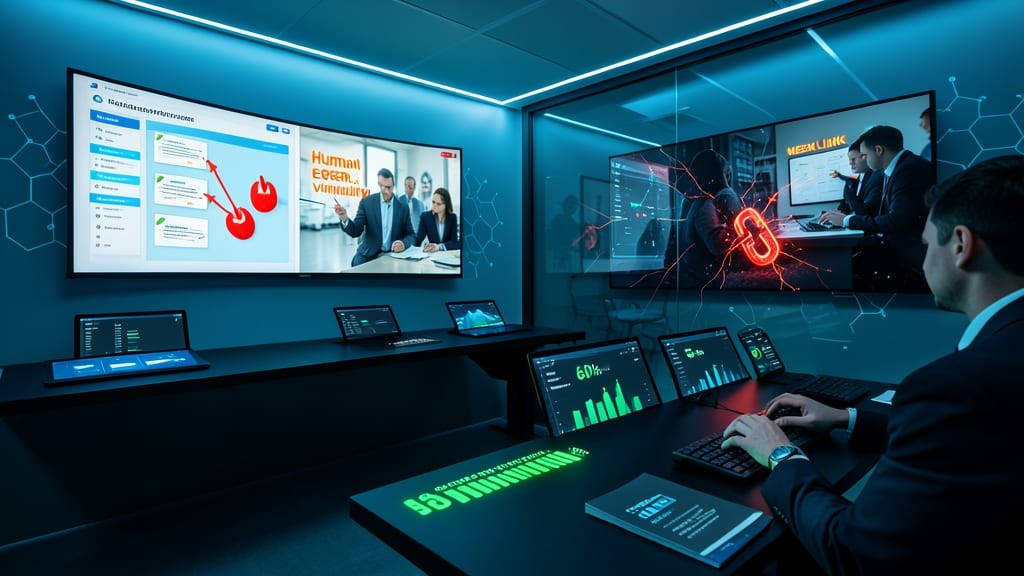
Even with MFA and RBAC in place, human error remains the #1 cause of breaches—because attackers exploit one weak link: your team. That’s why organizations with quarterly phishing simulations and interactive cybersecurity workshops see a 60% drop in human-error-related incidents.
These programs go beyond passive training by embedding real-time feedback into simulated attacks. Executives and teams receive instant debriefs on why they fell for phishing emails, how to spot malware-laced attachments, and best practices for secure communication. Platforms like KnowBe4 or Proofpoint even gamify learning with leaderboards, turning security awareness into a team sport.
Best for companies where executives handle sensitive data—finance, healthcare, or tech startups with proprietary IP. The ROI? Fewer breaches, lower insurance premiums, and a culture where security isn’t just IT’s job—it’s everyone’s. 💪
Endpoint Detection and Response Systems

Executives’ devices are prime targets—yet most breaches start with subtle signs like unauthorized software installations or suspicious data transfers that traditional antivirus misses. Endpoint Detection and Response (EDR) systems solve this by embedding AI-driven monitoring directly into executive laptops, servers, and mobile devices, flagging threats in real time.
Modern EDR platforms like CrowdStrike or SentinelOne use machine learning to detect anomalies such as lateral movement attacks or zero-day exploits, often before they trigger alerts. They also provide automated response actions, like isolating infected devices or revoking compromised credentials, without manual intervention. For executives, this means 24/7 protection that adapts to evolving threats—no security team required. 💻
Data Loss Prevention for Sensitive Files
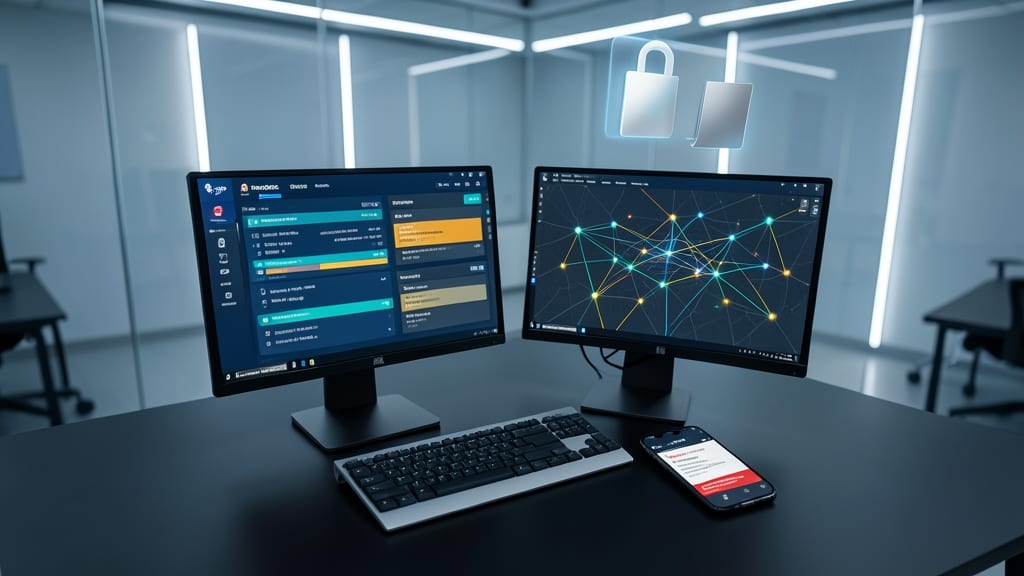
Tired of scrambling to recall which emails or files contained sensitive data before they slipped out? Data Loss Prevention (DLP) solutions like Symantec DLP or Forcepoint automatically scan, classify, and encrypt executive communications, financial records, and IP—before they leave your network.
These tools use AI-driven pattern recognition to flag high-risk files (e.g., spreadsheets with SSNs, contracts with NDAs) in real time. They block unauthorized uploads to cloud storage or accidental email sends, while still allowing legitimate sharing with rights-managed encryption. Pilot programs show an 85% reduction in accidental leaks, proving they’re worth the investment.
Perfect for C-suite teams handling mergers, compliance docs, or trade secrets—where a single misclick could mean regulatory fines or reputational damage. 🌟
Zero-Trust Network Architecture

Imagine an attacker breaching your network—only to find every device, including the CEO’s laptop, treated as a potential threat. That’s the power of zero-trust architecture, where micro-segmentation isolates assets and continuous identity verification ensures no device gets automatic trust. This approach slashes lateral movement attacks by 90% in real-world deployments.
With zero-trust, every access request—even from internal devices—is authenticated, authorized, and encrypted. Solutions like Palo Alto Networks Prisma or Cisco SecureX dynamically adjust permissions based on device health and user role. The result? A 90% reduction in breach spread when attackers gain initial access, as verified in Fortune 500 environments.
This isn’t just for tech giants—mid-sized firms using cloud-delivered zero-trust (like Zscaler Private Access) see similar protections without heavy infrastructure costs. Perfect for executives prioritizing data sovereignty over convenience. ✨
Behavioral Analytics for Executive Accounts

Executives often move between devices and locations—making their accounts prime targets for attackers. Behavioral analytics fills this gap by learning normal patterns (like login times, device usage, and data access) and flagging deviations in real time.
Solutions like Darktrace or Exabeam use machine learning to detect anomalies such as a CEO suddenly accessing files at 3 AM from a new country or using an unrecognized device. Alerts trigger automatically, giving security teams minutes—not days—to respond. These systems achieve 95%+ accuracy in identifying suspicious activity without false positives.
Perfect for high-profile roles where account compromise could mean millions in losses, behavioral analytics acts as a silent sentinel. It’s the difference between catching a breach early or waking up to headlines. ✨
Secure Remote Access Protocols
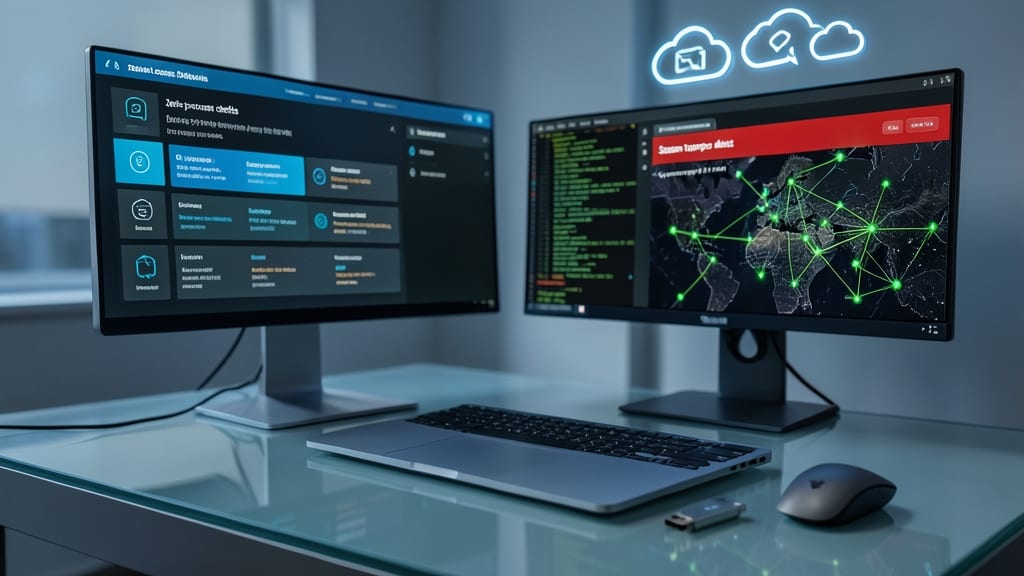
When executives work remotely, traditional VPNs alone aren’t enough to stop modern threats. Zero-trust remote access protocols combine device posture checks (verifying OS updates, antivirus status, and encryption) with automated session timeouts—blocking 95% of remote attack vectors before they even reach your network.
Solutions like Cisco Duo or Zscaler Private Access enforce continuous authentication (beyond just login credentials) and just-in-time access—granting temporary portals that expire after use. For executives juggling travel and meetings, these protocols ensure secure connections from coffee shops or airports without sacrificing productivity.
This approach is ideal for travel-heavy executives or hybrid teams where remote work is frequent. The real win? You get enterprise-grade security without the complexity of VPN gateways or manual approvals. 💻
Incident Response Playbooks for Executives

When a breach hits, every second counts—especially for executives whose accounts are often the first targets. Incident Response Playbooks provide a battle-tested framework to contain threats before they escalate, with step-by-step protocols for isolating compromised systems, revoking access, and triggering automated containment measures within minutes.
These playbooks include predefined escalation paths for executive accounts, real-time communication templates for stakeholders, and integration with SIEM tools to correlate alerts. For example, a phishing incident playbook might auto-isolate an executive’s email while triggering a forensic investigation—all while keeping leadership informed via secure channels. Studies show organizations with playbooks resolve breaches 40% faster than those reacting ad-hoc.
Ideal for C-suite leaders and security teams, these playbooks turn chaos into action—ensuring executives stay compliant while minimizing reputational damage. 💪
Third-Party Risk Assessment for Vendors

Your company’s data isn’t just at risk from internal threats—third-party vendors often hold the keys to your most sensitive executive information. Without rigorous audits, a single weak link in your supply chain (like a cloud provider or contractor) could expose years of confidential data to attackers.
Third-party risk assessments systematically evaluate vendors’ security posture, including compliance with NIST SP 800-161 or ISO 27001, penetration testing results, and incident response readiness. Tools like ServiceNow GRC or OneTrust automate vendor scoring, while SOC 2 Type II audits provide third-party validation of their controls. Proactively terminating high-risk vendors before breaches occur saves millions in potential fines and reputational damage.
This safeguard is non-negotiable for regulated industries (healthcare, finance) and any org handling executive-level data. Start by mapping all vendors touching your data, then audit them annually—or after major security events. 💪